
24.01.2026
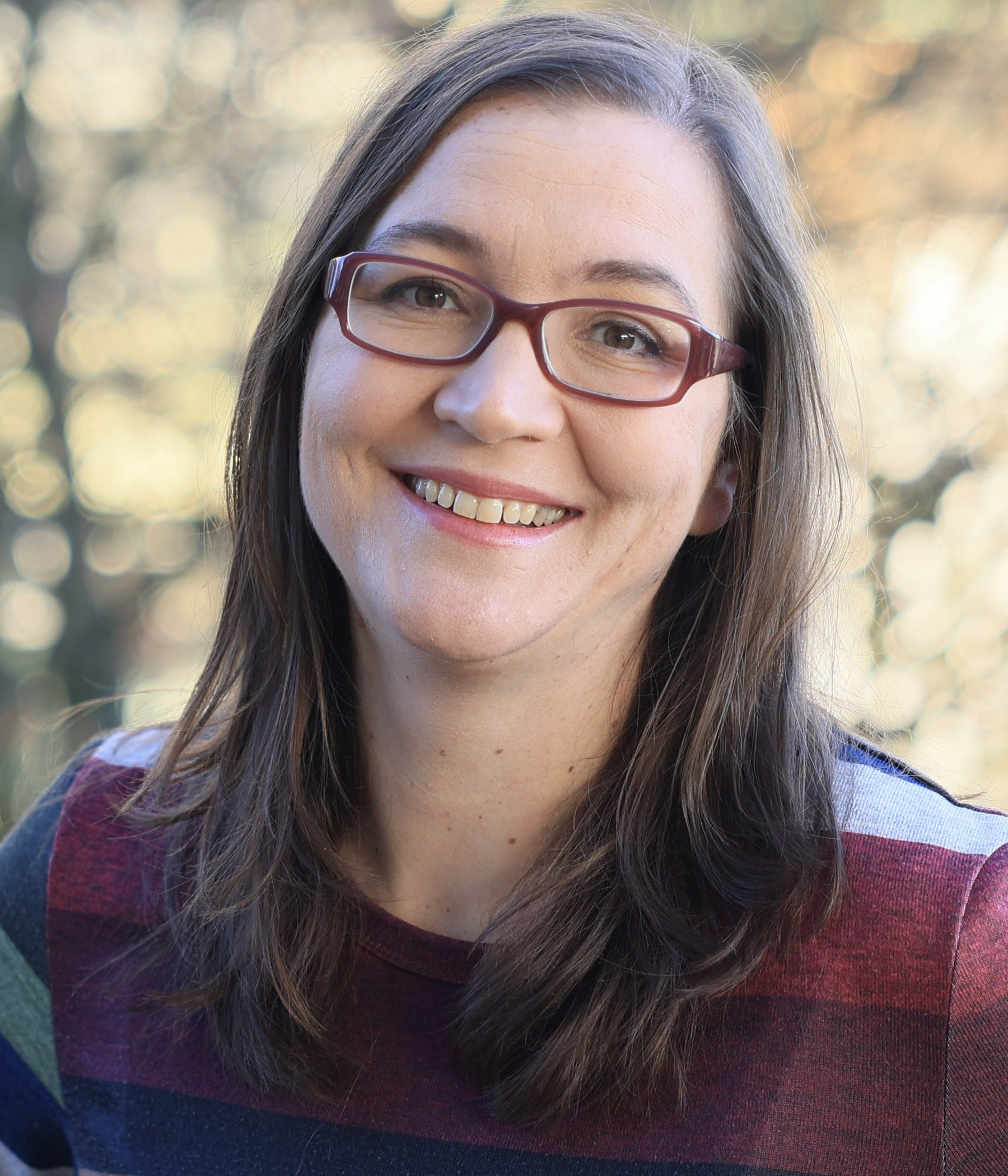
Congratualtions to our spokesperson Julia Tjus!
On January 21, 2026, the Royal Swedish Academy of Sciences (KVA) officially accepted her as an international member of the Physics class. The election took place on January 14, and in addition to Tjus, the KVA accepted eight other new members.
The Swedish Academy of Sciences has only 175 places for international members, all of whom are elected for life. A place therefore only becomes available when an international member dies. “Personally, I consider this a very special distinction and honor,” says Julia Tjus. “Apart from the fact that the chance of being accepted is minimal, it also offers the opportunity to help shape things like the awarding of the Nobel Prize in Physics.”
20.01.2026
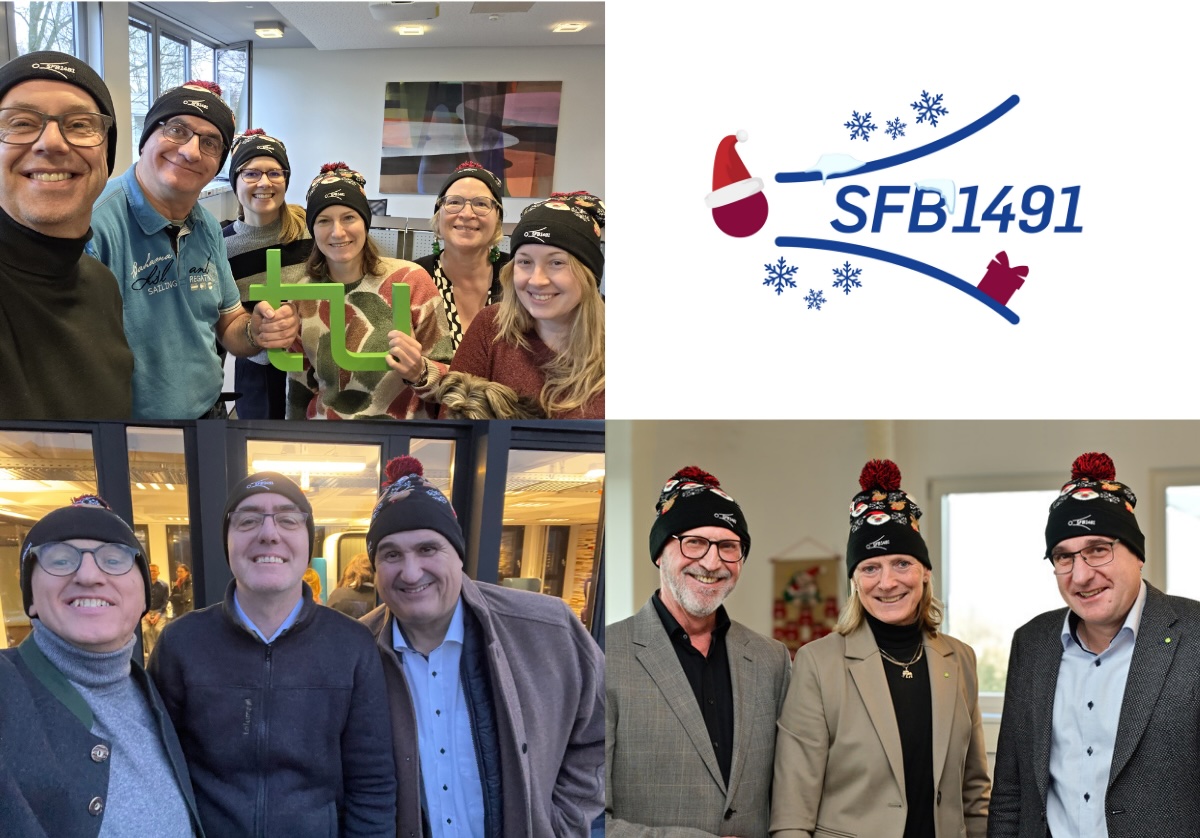
SFB1491 wishes all members and collaborators a successful 2026!
15.12.2025
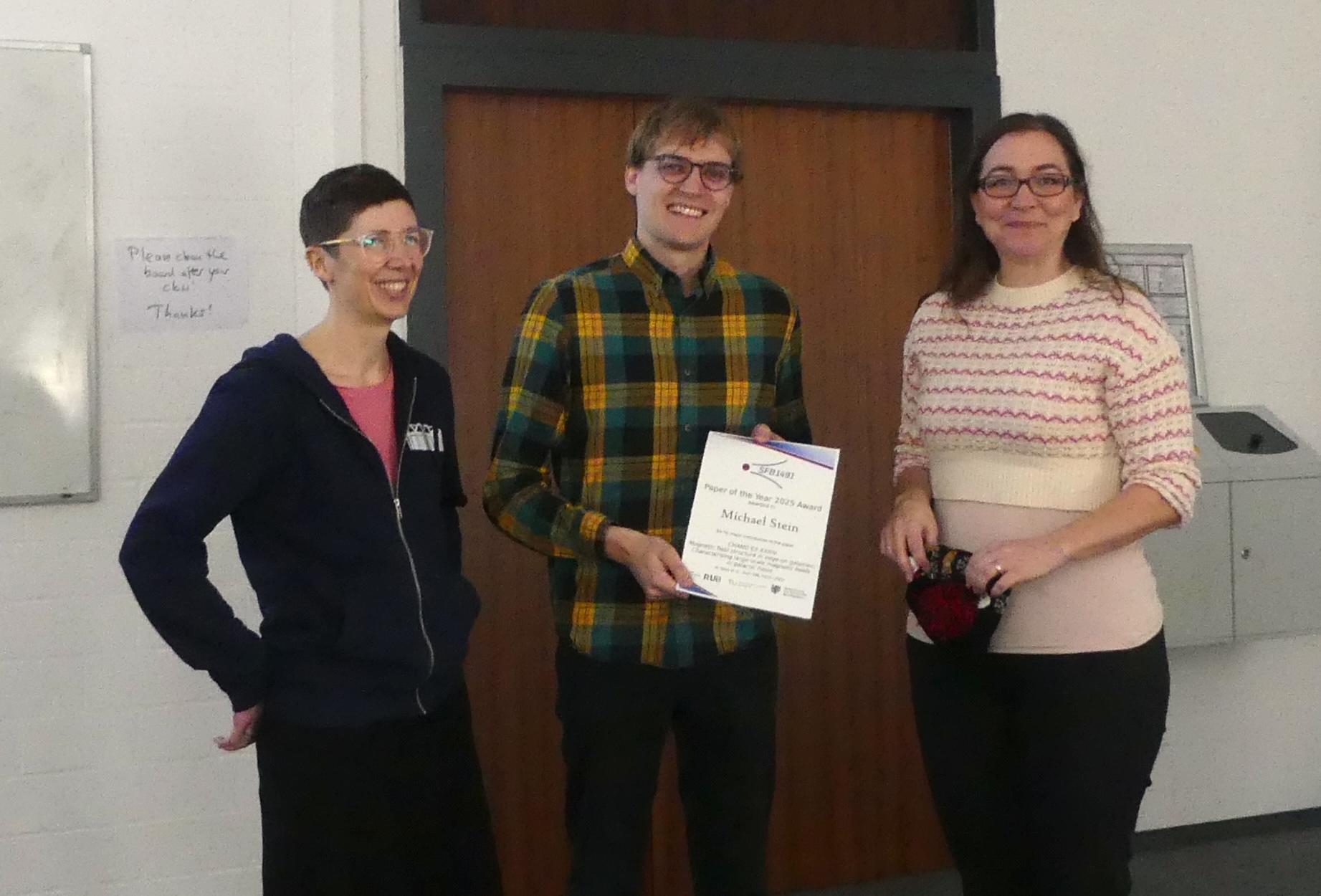
Congratulations to Michael Stein who has been awarded the SFB1491 Paper of the Year 2025 Award for his outstanding work on understanding the morphology of galactic magnetic fields and their role in cosmic-ray transport.
Understanding the morphology of magnetic fields in galaxies and their impact on galactic cosmic ray transport is one of the key goals of CRC 1491. Observations of nearby edge-on galaxies at radio frequencies reveal a rather peculiar X shaped polarisation structure.
In his paper, Michael presents the first quantitative analysis of this X shape and relates its opening angle to the star-formation activity in the galactic disc.
This research was published under the title „CHANG-ES: XXXIV. Magnetic field structure in edge-on galaxies: Characterising large-scale magnetic fields in galactic halos„ in Astronomy & Astrophysics, in collaboration with all members of Project A4 and Michael as the lead author.
03.12.2025
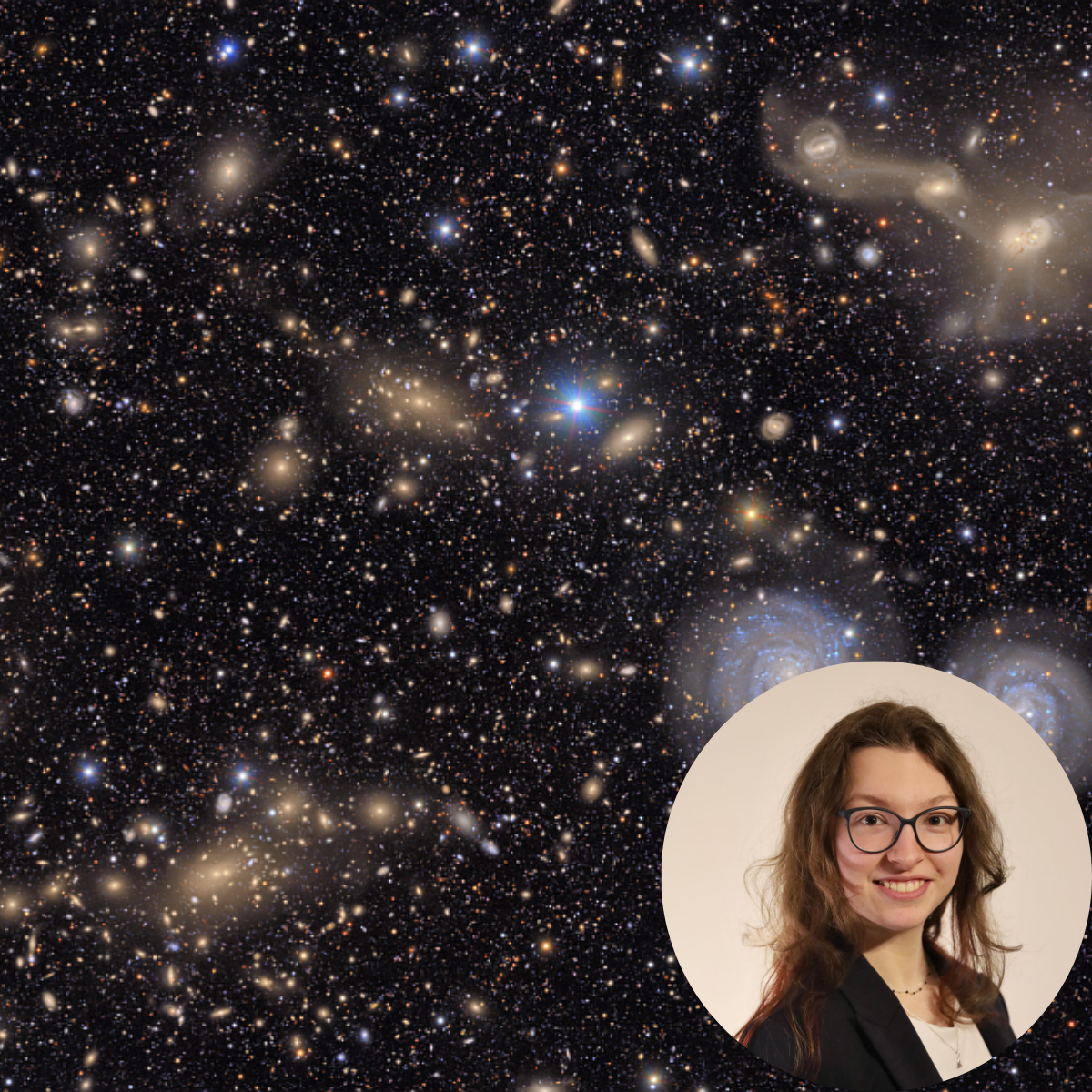
We are pleased to invite you to the public lecture “Das Vera Rubin Observatorium und die dunkle Seite des Kosmos " (in German).
Klara Bertmann will take you on a journey to the great mysteries the universe still holds today. Contributing to their unraveling is the new Vera C. Rubin Observatory, which began operations in Chile earlier this year.
When 10.12.25 at 20:00
Where Planetarium Bochum
For registration and further information, please have a look at the Planetarium’s homepage.
Picture:
A small section of the Virgo galaxy cluster as seen by the Vera Rubin observatory
19.11.2025
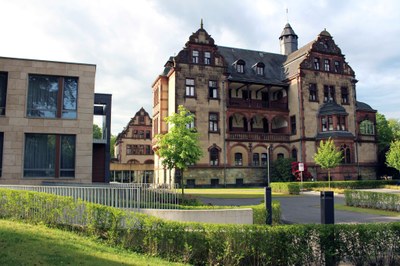
We are happy to advertise the 5th Graduate School on Astro-Particle Physics "Unifying view on cosmic interacting matter"
which will take place from January 18 to January 23, 2026 at Physikzentrum Bad Honnef, Germany.
The school is aimed at PhD students and includes lectures on: